
Consciously shaping your working time and workspace
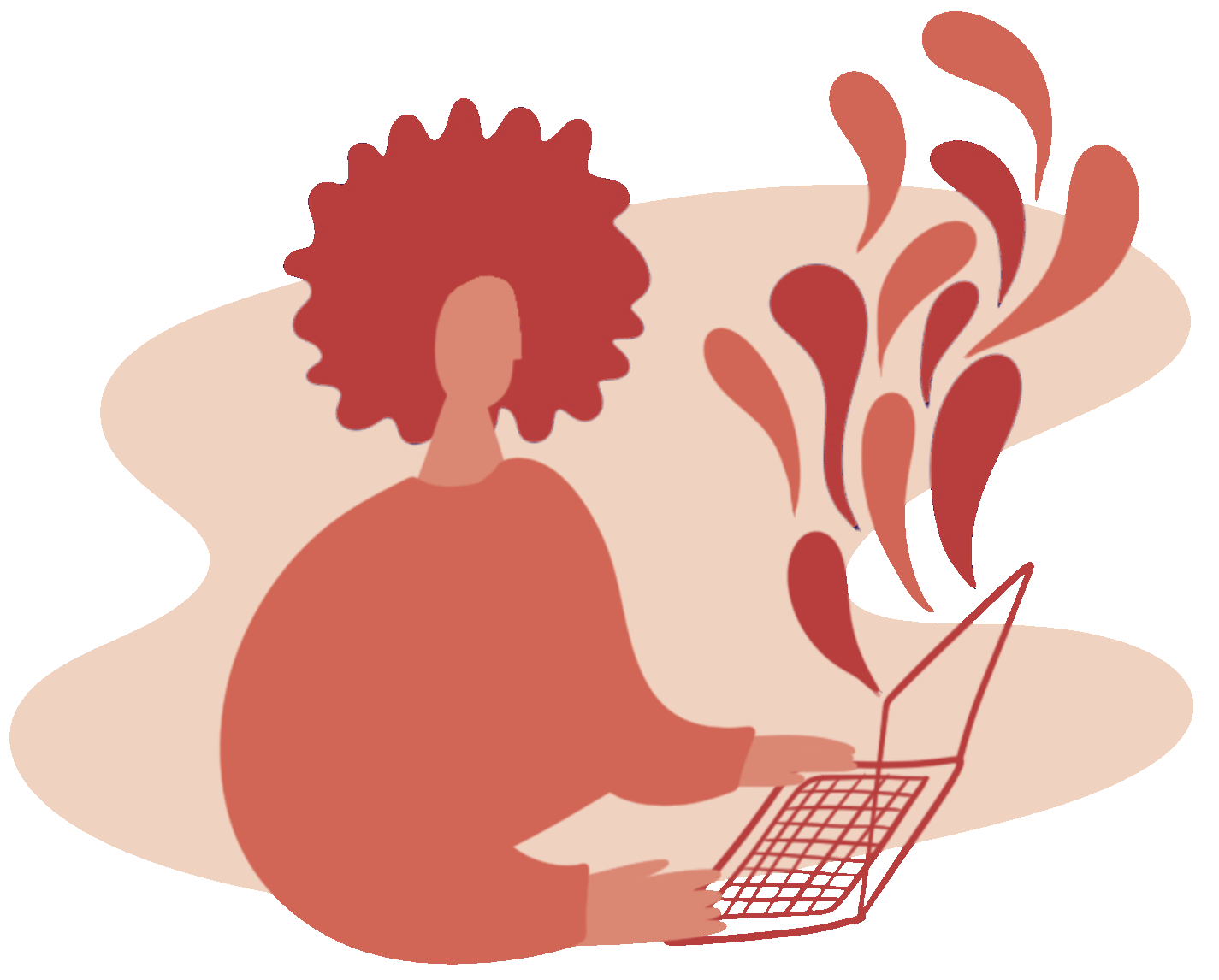
Creating a pleasant writing environment and planning your writing time can help you stay mentally and physically healthy while writing – and keep going. Here are a few tips:
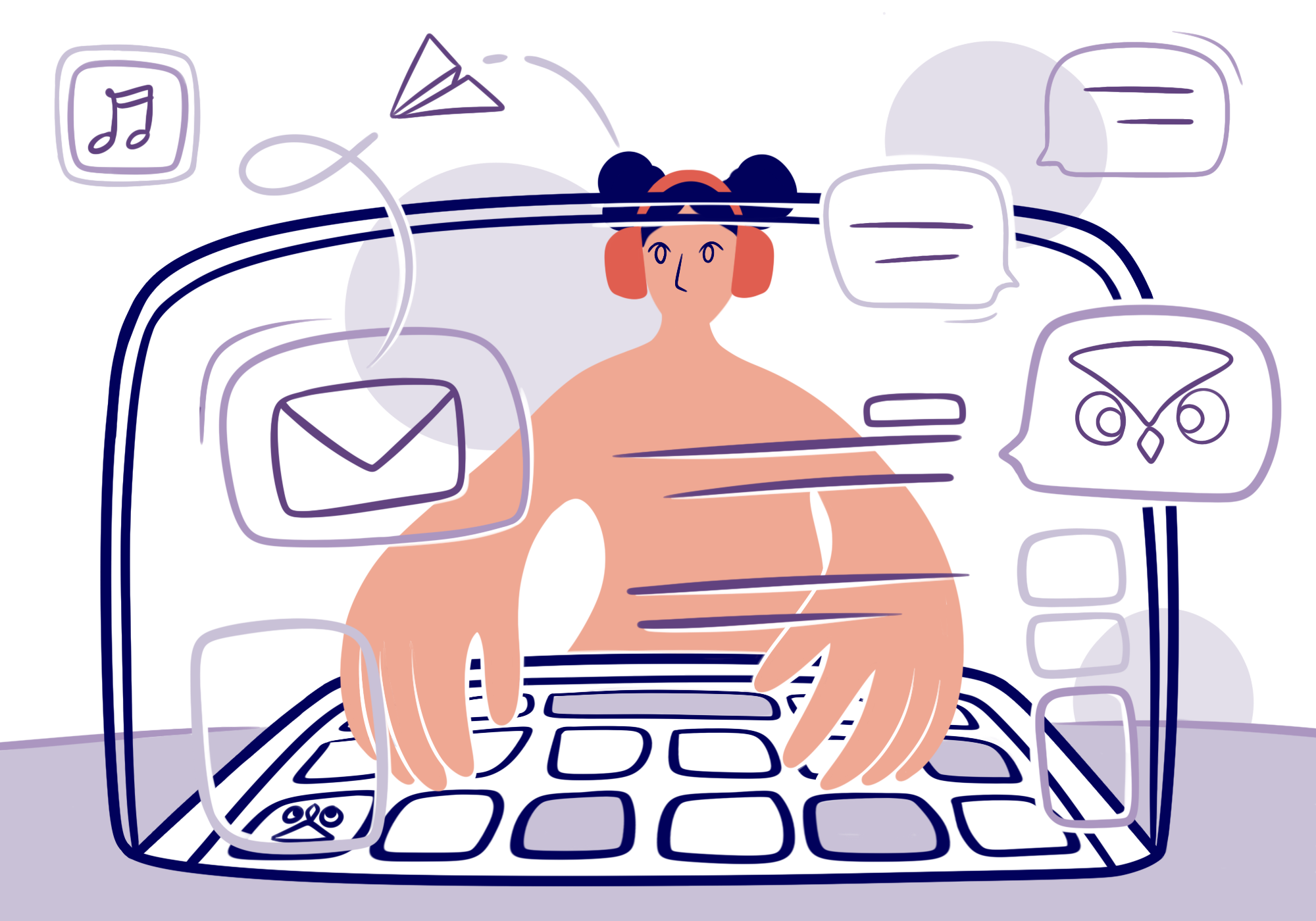
- Set up your workspace ergonomically. Sit upright with your feet flat on the floor. Rest your forearms comfortably on the desk. Keep your head up and your gaze straight ahead.
- Make sure you can look at the screen comfortably: A screen set too high or too low can cause tension.
- Monitor your posture: If you find yourself hunching forward or slouching, it’s time for a change. Maybe you can connect a larger monitor and an external keyboard to your laptop? Improvise by sitting on cushions or placing books under your laptop.
Keep moving
Even the best sitting posture becomes unhealthy over time. So add some variety. If you’re writing while seated, you could read lying down, organize your notes in a squat, attend online meetings standing up, or go for a walk while on the phone.
Create opportunities for balance: To relax, plan a nap, try meditation, or use online/offline relaxation tools. Get moving through sports or with friends – or simply take a walk during lunch. Do exercises during breaks, take the stairs instead of the elevator, ride your bike to run errands.
Mini workouts throughout the day
The following exercises can be done anytime – while thinking or during a break:
Eye relaxation
- Focus on objects at different distances, especially far away.
- Move your eyes in different directions without turning your head.
- Consciously close your eyes for a few breaths.
Torso and spine – strength and mobility
- Circle your shoulders, raise them to your ears, and let them drop.
- Stretch your arms to the sides and rotate your palms forward and backward as far as you can.
- Stretch your neck muscles: Tilt your head toward one shoulder while pulling the opposite shoulder downward. Breathe deeply and stay relaxed – hold for 20 seconds, then slowly release. Don’t forget the other side!
Legs
If you sit a lot and often cross your legs, it can restrict blood flow. Try to stand up frequently.
- Switch between standing on your heels (stretches) and on your toes. This strengthens your calf muscles and supports blood circulation.
- Bend and stretch your legs while sitting (10x per side).
- Stand on one leg. If you can balance well, move the free leg in different directions.
Stretching and yawning
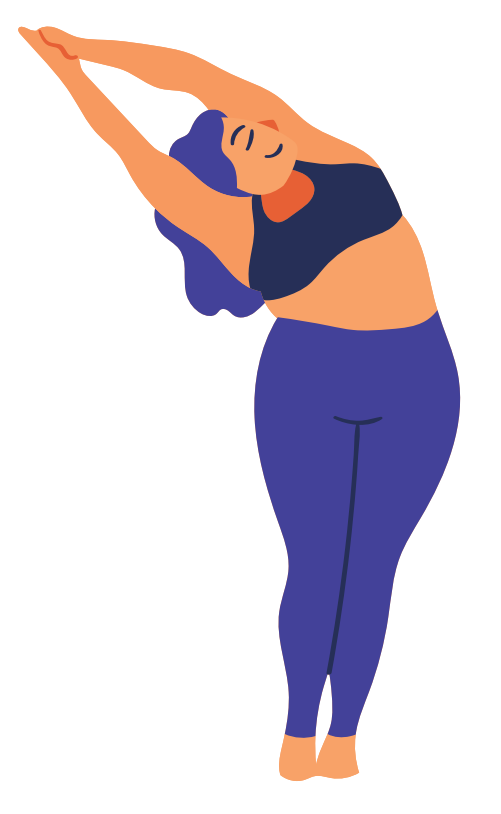
- Stretch and move whenever you feel the need. It helps prevent tension, stimulates circulation, and supports concentration.
- Feel free to make funny faces – just remember to turn off your camera during video calls.
(Self-)Massage
Don’t wait until it hurts: Mild tension in your neck or jaw can often be relieved through self-massage. Giving your face a gentle rub or squeezing your arm can be invigorating. For your back, a foam roller might help.

Frequently asked questions
What helps after sitting for a long time?
Short fitness workouts, stretching, and yoga. It also helps to regularly integrate movement into your daily routine and stand up frequently.
How can I prevent my writing becoming a pain in the neck (literally)?
While working, be sure to move for five minutes every hour.
Related Articles
This article was published in August 2025 and last updated in November 2024.